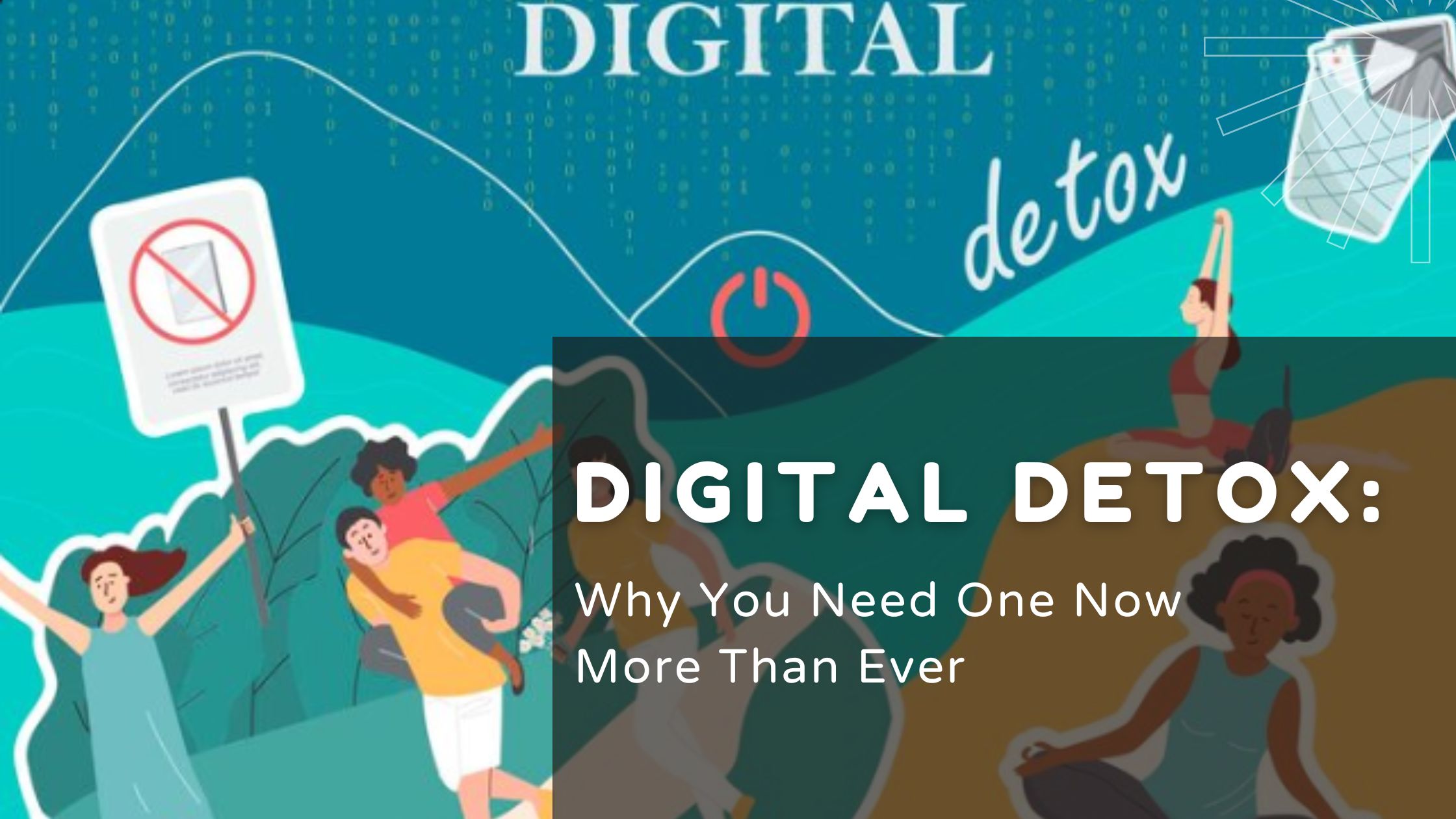
In today’s fast-paced digital world, staying connected has become second nature. From checking emails first thing in the morning to scrolling endlessly through social media before bed, our lives are deeply intertwined with screens. While technology has made communication and work more efficient, it has also created an environment of constant distraction and mental overload. This is exactly why a Digital Detox is more important now than ever before. Taking intentional breaks from digital devices can help restore balance, improve mental clarity, and support a healthier, more focused lifestyle.
What is a Digital Detox?
A digital detox refers to a conscious decision to reduce or eliminate the use of digital devices for a specific period of time. This includes limiting exposure to smartphones, laptops, social media platforms, and even emails. The goal is not to completely abandon technology, but to create a healthier relationship with it. By stepping away from constant notifications and online noise, individuals can reconnect with real-world experiences and regain control over their time and attention.
Why Digital Detox is Essential Today
The modern digital landscape is designed to capture and hold your attention. Notifications, updates, and alerts constantly demand your focus, leaving very little room for mental rest. Over time, this can lead to digital fatigue, reduced concentration, and a constant sense of being overwhelmed. A digital detox helps break this cycle by allowing your mind to reset and function more efficiently.
Another major reason to adopt a digital detox is its impact on mental health. Continuous exposure to curated social media content often leads to unhealthy comparisons and feelings of inadequacy. Many people experience anxiety or stress without even realizing that their screen habits are the root cause. Taking a step back from these platforms can significantly improve emotional well-being and promote a calmer, more balanced state of mind.
Sleep is another area that suffers due to excessive screen use. The blue light emitted by devices interferes with melatonin production, making it harder to fall asleep and stay asleep. Poor sleep quality affects mood, energy levels, and overall productivity. By reducing screen time—especially before bedtime—you can improve your sleep patterns and wake up feeling more refreshed.
The Connection Between Digital Detox and Minimalist Lifestyle
A minimalist lifestyle is all about removing excess and focusing on what truly matters. When applied to digital habits, this philosophy encourages intentional use of technology rather than mindless consumption. Instead of constantly checking multiple apps and platforms, you prioritize only what adds value to your life.
A digital detox naturally complements a minimalist lifestyle by helping you declutter your digital environment. This might include deleting unused apps, unsubscribing from unnecessary emails, and limiting social media usage. As a result, you create a cleaner, more organized digital space that supports productivity and peace of mind. Over time, this approach not only reduces stress but also helps you become more mindful of how you spend your time online.
Signs You Need a Digital Detox
Many people don’t realize how dependent they have become on digital devices until they try to step away. If you find yourself checking your phone immediately after waking up or feeling anxious when you don’t have access to it, these are clear indicators that a digital detox may be necessary. Similarly, if you struggle to focus on tasks without checking notifications or often lose track of time while scrolling, it’s a sign that your digital habits may be affecting your productivity.
Feeling mentally drained after prolonged screen use is another common symptom. Instead of feeling informed or entertained, you may feel exhausted and distracted. Recognizing these signs is the first step toward making meaningful changes.
Benefits of a Digital Detox
Taking a break from digital devices offers numerous benefits that extend beyond just reducing screen time. One of the most noticeable advantages is improved mental clarity. When your brain is no longer overloaded with constant information, it becomes easier to think clearly, make decisions, and stay focused on important tasks.
A digital detox also supports better physical health. Reduced screen time can help minimize eye strain, improve posture, and encourage more physical activity. Instead of spending hours sitting in front of a screen, you may find yourself engaging in healthier habits such as walking, exercising, or spending time outdoors.
Creativity is another area that benefits significantly. When you are constantly consuming content, your brain has little opportunity to generate new ideas. By disconnecting from digital distractions, you create space for imagination and innovation to thrive.
Additionally, relationships often improve during a digital detox. Being fully present during conversations helps build stronger connections and enhances communication. Without the constant interruption of devices, you can engage more meaningfully with the people around you.
How to Start a Digital Detox
Starting a digital detox doesn’t require drastic measures. In fact, gradual changes are often more sustainable and effective. Begin by setting clear boundaries for device usage. For example, you can avoid using your phone during meals or establish a rule to stay offline for at least an hour before bedtime. These small adjustments can have a significant impact over time.
Another effective strategy is to turn off non-essential notifications. Many apps are designed to grab your attention frequently, but not all alerts are important. By disabling unnecessary notifications, you can reduce distractions and regain control over your focus.
It’s also helpful to replace digital habits with offline activities. Instead of scrolling through social media, consider reading a book, practicing meditation, or engaging in a hobby you enjoy. These activities not only reduce screen time but also contribute to personal growth and relaxation.
Decluttering your digital space is another important step. Removing unused apps and organizing your files can make your digital environment less overwhelming and more aligned with a minimalist lifestyle. This process helps you become more intentional about how you use technology.
Long-Term Success with Digital Detox
Maintaining the benefits of a digital detox requires consistency and awareness. It’s important to regularly evaluate your digital habits and make adjustments as needed. Tracking your screen time can provide valuable insights into how much time you spend on different activities and where you can cut back.
Setting realistic goals is also key. Instead of trying to eliminate all digital usage, focus on creating a balanced approach that works for your lifestyle. Communicating your boundaries with friends and family can help ensure that your efforts are respected and supported.
Over time, these habits become easier to maintain, and the positive effects of a digital detox become more noticeable. You may find yourself feeling more focused, less stressed, and more connected to the present moment.
Final Thoughts
A digital detox is no longer optional in a world dominated by screens, it’s a necessary step toward maintaining mental, emotional, and physical well-being. By reducing your reliance on digital devices and embracing a minimalist lifestyle, you can create a more balanced and fulfilling life.
The key is to start small and remain consistent. Even minor changes in your daily routine can lead to significant improvements over time. By taking control of your digital habits, you not only increase productivity and reduce stress but also open the door to a more meaningful and intentional way of living.
About the Author