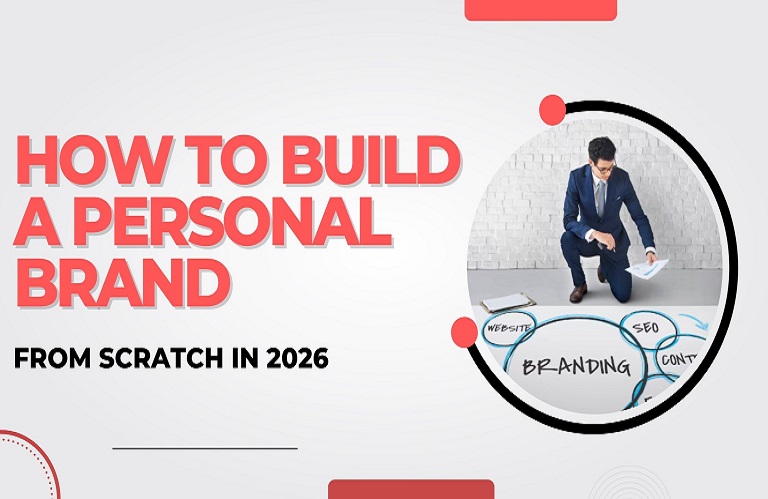
In today’s digital-first landscape, your reputation is no longer limited to offline interactions. Your identity, credibility, and expertise are now defined by your visibility and consistency online. If you want to stand out in a competitive market, learning how to Build Personal Brand is one of the smartest decisions you can make in 2026.
A strong personal brand helps you create trust, attract opportunities, and establish authority in your niche. With the right strategy, your online presence can work for you 24/7, bringing in career growth, clients, and recognition without constant outreach.
Understanding Personal Branding in 2026
To Build Personal Brand, you need to understand that it is not just about self-promotion. It is about shaping perception. People should instantly understand who you are, what you do, and why they should trust you.
In 2026, personal branding is more data-driven and content-focused than ever. Platforms like LinkedIn have evolved into powerful search engines where professionals are discovered based on their expertise, content, and engagement. This is why LinkedIn branding plays a crucial role in building authority and visibility.
Your personal brand is essentially your digital footprint, and every post, comment, and interaction contributes to it.
Choosing the Right Niche and Direction
The foundation of any successful effort to Build Personal Brand starts with clarity. Without a defined niche, your message becomes diluted and fails to connect with the right audience.
Instead of trying to appeal to everyone, focus on a specific area where your knowledge or experience can provide value. When your messaging is clear, your online presence becomes stronger and more impactful.
For example, positioning yourself clearly within a niche can also open doors beyond traditional career paths, especially if you plan on launching something of your own and exploring opportunities around starting and scaling digital ventures.
Building a Strong Online Presence
Your online presence is the backbone of your personal brand. It determines how people perceive you before they even interact with you.
In 2026, having a well-optimized profile is non-negotiable. Your profiles should clearly communicate your expertise, achievements, and personality. Every element, from your profile image to your bio, should align with your brand message.
Consistency across platforms plays a major role here. When your tone, visuals, and messaging match everywhere, it strengthens your credibility and makes your brand more recognizable.
The Power of LinkedIn Branding
Among all platforms, LinkedIn branding stands out as the most effective way to grow professionally. It is no longer just a job search platform; it is now a content-driven ecosystem where professionals build influence.
To Build Personal Brand effectively, your LinkedIn profile must go beyond basic information. It should tell a story. Your headline should clearly define what you do, and your summary should reflect your journey, expertise, and value.
Content plays a critical role in LinkedIn growth. Sharing insights, experiences, and industry knowledge helps you stay visible and relevant. Over time, this consistency builds trust and positions you as an authority in your niche.
Content Creation as a Growth Engine
Content is the driving force behind any successful personal brand. Without content, your online presence remains passive and limited.
To Build Personal Brand, you need to consistently share ideas, experiences, and knowledge that help your audience. This does not mean you need to create complex or highly polished content. What matters most is clarity, relevance, and value.
Storytelling is especially powerful. When you share real experiences, challenges, and lessons, it creates a human connection. This connection is what transforms followers into loyal supporters.
Over time, consistent content creation increases your visibility, improves engagement, and enhances your credibility.
Establishing Authority in Your Field
Authority is what differentiates a personal brand from a regular online profile. To truly Build Personal Brand, you need to be seen as someone who knows their field well.
This comes from sharing insights that are not just informative but also actionable. When people start learning from your content, they begin to trust your expertise.
Your online presence should reflect depth and knowledge. Writing detailed posts, sharing case studies, and discussing real-world applications can significantly improve your authority.
In 2026, authority also impacts how algorithms rank your content, increasing your chances of appearing in search results and AI-driven recommendations.
The Role of Consistency and Authenticity
Consistency is one of the most overlooked aspects of personal branding. Many people start strong but lose momentum over time. To successfully Build Personal Brand, you need to show up regularly.
At the same time, authenticity is equally important. Audiences today can easily identify forced or copied content. Your unique perspective is your biggest strength, and using it effectively helps you stand out.
Your online presence should reflect your real voice, opinions, and experiences. This builds trust, and trust is the foundation of any strong personal brand.
Leveraging SEO for Personal Branding
Search engine optimization is no longer limited to websites. It plays a significant role in helping you Build Personal Brand across platforms.
Optimizing your profiles and content with relevant keywords increases your visibility. When people search for expertise in your niche, your content has a higher chance of appearing in results.
Your LinkedIn branding also benefits from SEO. Profiles with clear keywords, detailed descriptions, and consistent activity tend to rank higher in searches.
In addition, creating long-form content such as blogs can help you capture organic traffic and strengthen your authority beyond social platforms.
Long-Term Benefits of Personal Branding
When you successfully Build Personal Brand, the benefits extend far beyond visibility. You create a system where opportunities come to you instead of the other way around.
A strong personal brand not only improves your career prospects but also allows you to diversify your income by exploring flexible earning opportunities that align with your skills and expertise.
Over time, your online presence becomes a valuable asset that continues to generate growth, visibility, and income.
Final Thoughts
Building a personal brand from scratch in 2026 requires clarity, consistency, and a strategic approach. If you focus on creating value, optimizing your LinkedIn branding, and strengthening your online presence, you can establish yourself as a trusted voice in your field.
The process takes time, but the results are worth it. Start today, stay consistent, and continue improving your approach. As your visibility grows, so will your opportunities, making your personal brand one of your most valuable assets.
Frequently Asked Questions
1. How long does it take to build a personal brand from scratch?
Building a personal brand typically takes a few months of consistent effort. Most people start seeing results within three to six months.
2. Why is it important to build a personal brand in 2026?
A strong personal brand helps you stand out, build trust, and attract better opportunities in a competitive digital space.
3. How does LinkedIn branding help in personal branding?
LinkedIn branding increases your visibility, helps you connect with professionals, and positions you as an expert in your niche.
4. What type of content should I create?
Focus on content that educates, informs, and solves problems while sharing your personal experiences.
5. Do I need a website to build a personal brand?
It is not mandatory, but it significantly improves your online presence and credibility.
6. How often should I post content?
Posting consistently, around three to five times a week, is ideal for maintaining visibility.
7. Can beginners build a strong personal brand?
Yes, anyone can Build Personal Brand with the right strategy and consistency.
8. What is the biggest mistake to avoid?
Inconsistency and unclear messaging are the most common mistakes in personal branding.
About the Author