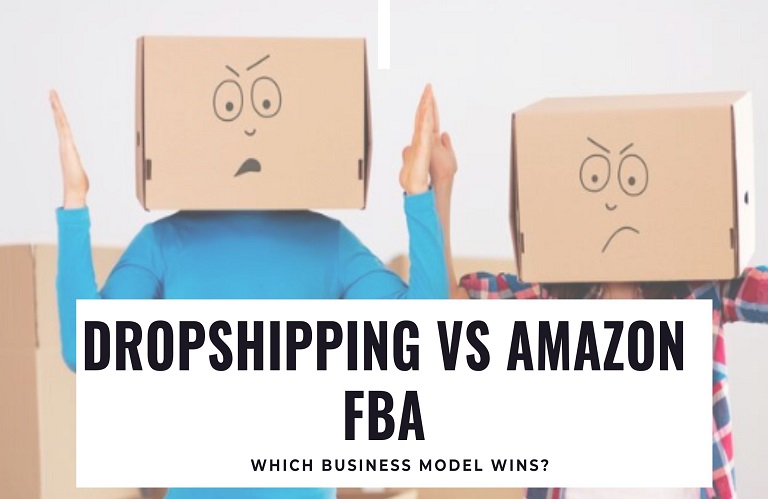
Starting an online business in 2026 has never been more accessible, but choosing the right model can define your success. The debate around Dropshipping vs Amazon FBA continues to grow as both models offer unique advantages for modern entrepreneurs.
For many beginners exploring online opportunities, choosing between these models is often the first step before launching their digital journey and understanding how different ecommerce systems work in real-world scenarios. This detailed ecommerce business comparison will help you decide which path aligns with your goals.
Understanding Dropshipping and Amazon FBA
To make the right decision, it’s important to understand how both models function.
Dropshipping allows you to sell products without holding inventory. When a customer places an order, the supplier handles packaging and shipping directly. This makes it a low-risk and beginner-friendly model.
Amazon FBA (Fulfillment by Amazon) requires you to purchase products upfront and send them to Amazon warehouses. Amazon then manages storage, delivery, and customer service.
This core difference plays a major role in the Dropshipping vs Amazon FBA comparison.
Startup Costs and Investment
One of the biggest deciding factors in the Dropshipping vs Amazon FBA debate is the initial investment.
Dropshipping requires minimal capital since you don’t need to buy stock. Your primary costs involve website setup and marketing.
Amazon FBA, however, requires upfront investment in inventory, shipping, and storage fees. While this increases risk, it also creates opportunities for better margins and scalability.
For beginners, dropshipping is often the easier entry point in this ecommerce business comparison.
Profit Margins and Income Potential
Profitability is a key concern when comparing these two models.
Dropshipping typically operates on thinner margins due to supplier costs and advertising expenses. Since competition is high, pricing flexibility can be limited.
Amazon FBA offers stronger margins because bulk purchasing reduces product costs. Additionally, Amazon’s trust factor allows sellers to command higher prices.
Both models offer the potential to generate income online, but the consistency and scalability often favor Amazon FBA in the long run.
Ease of Setup and Daily Operations
Dropshipping is easier to set up and manage in the early stages. You don’t need to worry about inventory or logistics, making it ideal for beginners testing products.
Amazon FBA involves more complexity in the beginning, including product research, supplier coordination, and inventory planning.
However, once established, Amazon FBA becomes more automated since Amazon handles fulfillment and customer service. This makes it a strong option for those looking to scale efficiently.
Branding and Long-Term Growth
Branding is where the difference becomes more strategic in the Dropshipping vs Amazon FBA comparison.
Dropshipping gives you complete control over branding. You can design your website, create a unique customer experience, and build long-term brand equity.
Amazon FBA operates within Amazon’s ecosystem, limiting your ability to fully control branding and customer relationships.
Over time, sellers who focus on creating a recognizable identity are more likely to stand out, especially in competitive markets where differentiation matters.
Shipping and Customer Experience
Customer experience plays a major role in long-term success.
Dropshipping often involves longer shipping times, particularly when sourcing from international suppliers. This can affect customer satisfaction and increase refund rates.
Amazon FBA excels in this area by offering fast, reliable delivery, often within one or two days through Prime services.
In the Dropshipping vs Amazon FBA comparison, Amazon clearly leads in logistics and fulfillment efficiency.
Risk and Scalability
Risk tolerance is another important factor to consider.
Dropshipping carries lower financial risk since you are not investing heavily in inventory. However, scaling can be challenging due to supplier dependency and fluctuating ad costs.
Amazon FBA involves higher upfront risk but offers better scalability. With the right product and optimization, you can build a stable and predictable revenue stream.
This makes FBA a strong option in any serious ecommerce business comparison.
Competition and Market Dynamics
Both models are competitive, but in different ways.
Dropshipping has a low barrier to entry, which leads to market saturation. Many sellers offer similar products, making differentiation difficult.
Amazon FBA also has competition, but it rewards strong product research, optimized listings, and positive reviews. Sellers who focus on quality and positioning can build a competitive advantage.
Traffic and Marketing Strategy
Traffic generation is another key difference.
Dropshipping relies heavily on paid ads, SEO, and social media marketing. This gives you control but requires consistent effort and skill.
Amazon FBA benefits from built-in traffic. Millions of customers search for products daily, making it easier to generate sales without extensive marketing.
However, optimizing product listings with keywords remains essential for visibility.
Which Business Model Should You Choose?
Choosing between Dropshipping vs Amazon FBA depends on your goals, budget, and long-term vision.
If you want a low-cost, flexible way to enter ecommerce and test ideas quickly, dropshipping is a great choice.
If you are ready to invest and focus on building a scalable, semi-automated business, Amazon FBA offers greater long-term potential.
This ecommerce business comparison highlights that both models can be profitable when executed correctly.
Final Thoughts
The decision between Dropshipping vs Amazon FBA ultimately comes down to your priorities. Dropshipping offers simplicity and low risk, while Amazon FBA provides scalability and operational efficiency.
Both models have proven success paths, and your choice should align with your resources, skills, and long-term goals. With the right strategy, either model can help you build a successful ecommerce business in 2026.
FAQs: Dropshipping vs Amazon FBA
1. Which is better for beginners?
Dropshipping is generally better due to its low startup cost and simple setup.
2. Can I switch from dropshipping to Amazon FBA later?
Yes, many entrepreneurs start with dropshipping and transition to FBA for scaling.
3. Which model is more profitable?
Amazon FBA usually offers higher margins due to bulk purchasing and better pricing control.
4. Is dropshipping still relevant in 2026?
Yes, but success depends on strong marketing and product selection.
5. Do I need a website for Amazon FBA?
No, but having one can support branding and additional traffic.
6. Which model has lower risk?
Dropshipping has lower financial risk since there is no inventory investment.
7. How fast can I start earning?
Dropshipping can generate quicker results, while FBA may take more setup time.
8. Which model is better for long-term growth?
Amazon FBA is generally better for scalability and consistent revenue.
About the Author