Search technology is evolving faster than ever. Traditional search engines are now competing with intelligent AI systems that can answer questions, summarize information, and provide conversational responses in seconds. As tools like ChatGPT, Gemini, and Perplexity continue to grow, many users are asking the same question: is AI replacing Google?
The rise of AI powered search engines is transforming how people discover information online. Instead of browsing multiple websites, users can now receive direct answers through generative AI search tools. This shift reflects how AI tools are becoming part of daily routines across work, education, and online research.
What is AI Search?
AI search uses artificial intelligence and natural language processing to provide conversational and context-based answers. Unlike traditional search engines that display a list of links, AI driven search engines generate responses based on user intent.
Popular examples include:
- ChatGPT
- Google Gemini
- Perplexity AI
- Microsoft Copilot
These tools analyze massive amounts of data and present summarized information instantly. This is why AI search vs Google has become one of the biggest discussions in the tech world.
AI Search vs Google: What’s the Difference?
Traditional Google Search focuses on ranking websites based on relevance, backlinks, content quality, and SEO optimization. Users typically click through multiple pages to find answers.
AI powered search engines work differently. They provide direct responses in a conversational format, often reducing the need to visit several websites.
Google Search Features
- Displays ranked website results
- Strong local search capabilities
- Relies heavily on SEO signals
- Best for broad web exploration
AI Search Features
- Instant conversational answers
- Personalized recommendations
- Context-aware responses
- Faster information summaries
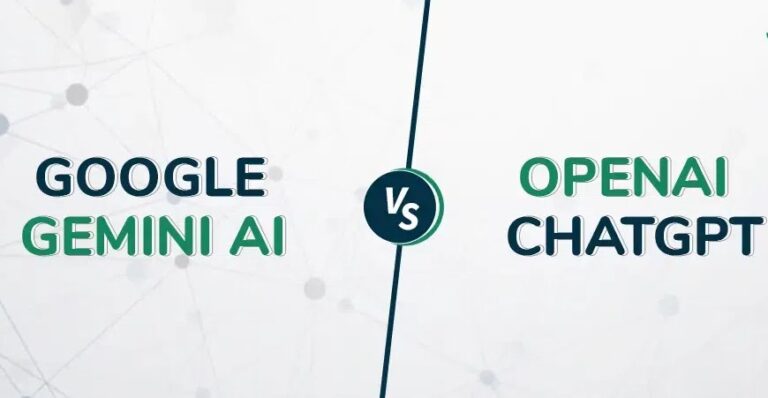
The comparison between ChatGPT vs Google Search shows that users now value speed, convenience, and simplified answers more than ever before.
Why Are People Using AI Powered Search Engines?
The popularity of generative AI search tools is growing because they save time and improve user experience. Instead of searching through multiple articles, users can ask detailed questions and receive direct explanations.
Key Benefits of AI Search
- Faster Answers
AI tools provide instant summaries without requiring users to open several websites.
- Better User Experience
Conversational AI search feels more natural and interactive.
- Improved Research
AI search technology can compare information quickly and organize complex topics.
- Productivity Boost
Students, marketers, developers, and businesses use AI search assistants to speed up daily tasks.
At the same time, experts continue discussing growing concerns around responsible AI use as search platforms become more advanced and influential online.
This growing shift toward AI replacing Google in some search behaviors is changing how websites approach SEO and content creation.
Is AI Replacing Google Completely?
Despite the rapid growth of AI search tools, Google still dominates global search traffic. Billions of users rely on Google Search daily for navigation, shopping, local businesses, news, and research. However, AI search engine alternatives are creating major competition. Instead of fully replacing Google, AI is changing how search works. Many experts believe the future will combine traditional search results with AI generated answers.
Google itself is already adapting through:
- AI Overviews
- Google Gemini integration
- AI enhanced search experiences
- Conversational search features
This means the future of search engines will likely involve a blend of search rankings and AI generated content.
How AI Search Impacts SEO and Website Traffic
The rise of AI powered search engines is forcing businesses and marketers to rethink SEO strategies. Websites now need content that performs well in both traditional search rankings and AI generated summaries.
SEO Strategies for AI Search
- Create High Quality Content
Detailed and informative content is more likely to appear in AI generated answers.
- Use Conversational Keywords
Natural language phrases help content align with AI search behavior.
- Optimize for AI Overviews
Google AI Overviews often pull concise and authoritative information from websites.
- Focus on Topical Authority
Building content clusters around related topics improves visibility in both Google Search and AI search tools.
- Add FAQ Sections
FAQ content increases the chances of appearing in AI summaries and featured snippets.
Many marketers are now using AI tools to improve SEO workflows and streamline content optimization for both users and search engines. Businesses that adapt early can increase organic traffic and improve visibility across both traditional and AI driven search platforms.
ChatGPT vs Google Search: Which Is Better?
The debate around ChatGPT vs Google Search depends on user needs.
ChatGPT Is Better For:
- Quick explanations
- Content creation
- Brainstorming ideas
- Conversational learning
Google Search Is Better For:
- Real time information
- Shopping and local results
- News updates
- Website discovery
The market is evolving quickly, with companies constantly comparing today’s leading AI platforms to improve search experiences and user engagement. Rather than replacing one another completely, these tools serve different purposes. Many users now combine AI search assistants with traditional search engines for better results.
The Future of AI Search Technology
The future of AI search technology will likely focus on:
- Personalized search experiences
- Voice based AI search
- Smarter recommendations
- Real time conversational answers
- Deeper integration with productivity tools
As AI search engines continue evolving, businesses that invest in SEO, topical authority, and high quality content will remain competitive.
Search behavior is changing rapidly, and companies that understand AI search vs Google trends today will have a stronger digital presence tomorrow.
Final Thoughts
AI powered search engines are transforming the internet, but Google Search is far from disappearing. Instead, search is evolving into a hybrid experience where AI generated answers and traditional rankings work together.
The rise of generative AI search tools presents both challenges and opportunities for websites. Businesses that create valuable, optimized, and user focused content can benefit from increased search visibility, higher engagement, and stronger organic traffic.
As AI replacing Google becomes a growing discussion, one thing is clear: the future of search will be driven by both artificial intelligence and smart SEO strategies.
FAQs
1. What is the difference between AI search and Google Search?
AI search provides conversational and summarized answers using artificial intelligence, while Google Search mainly displays ranked web pages users can browse for information.
2. Can AI powered search engines replace Google?
AI powered search engines are changing how people search online, but Google still dominates web search. Most experts believe AI and traditional search will work together rather than completely replacing one another.
3. Which AI search engines are most popular in 2026?
Some of the most popular AI powered search engines include ChatGPT, Google Gemini, Perplexity AI, Microsoft Copilot, and other generative AI search tools.
4. Is ChatGPT better than Google Search?
ChatGPT is useful for quick explanations, brainstorming, and conversational responses, while Google Search remains stronger for real time updates, shopping, navigation, and local search results.
5. How does AI search impact SEO?
AI search changes SEO by prioritizing high quality, conversational, and authoritative content. Websites optimized for AI Overviews and semantic search can improve organic visibility and traffic.
6. What are the benefits of generative AI search?
Generative AI search helps users get faster answers, improved research support, personalized recommendations, and a more interactive search experience.
7. What is the future of AI search technology?
The future of AI search technology includes smarter conversational search, voice based AI assistants, personalized results, and deeper integration with productivity and business tools.
About the Author