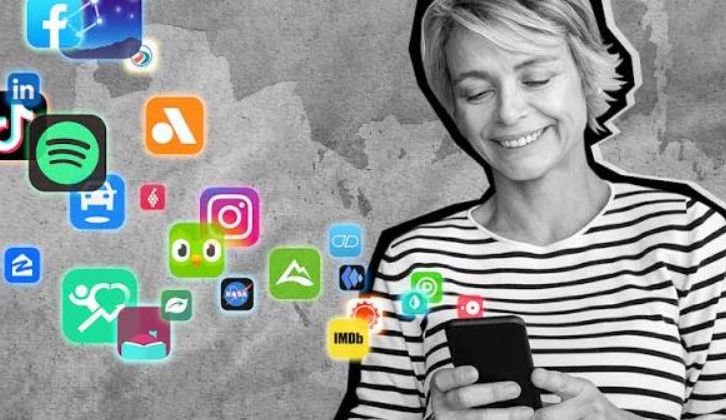
In today’s hyper-connected world, technology is deeply woven into our daily lives. From scrolling social media feeds to attending virtual meetings, our screens rarely leave our hands. While digital innovation has brought convenience and connectivity, it has also introduced new challenges to our mental well-being. Understanding Digital Mental Health is no longer optional—it’s essential.
Developing healthier routines can play a crucial role in maintaining balance, improving focus, and reducing the negative effects of constant digital exposure.
This guide explores how technology affects your mind, highlights the risks like Social Media Anxiety and Screen Time Effects, and provides practical strategies to maintain a healthy balance.
What is Digital Mental Health?
Digital Mental Health refers to the impact of digital technologies—such as smartphones, social media platforms, and online communication—on our psychological and emotional well-being.
It includes both positive and negative aspects. On one hand, digital tools provide access to therapy and support. On the other hand, excessive usage can lead to stress and anxiety. According to the World Health Organization, mental health is a crucial component of overall well-being in today’s digital era.
The Rise of Digital Dependency
Over the past decade, digital device usage has skyrocketed. The average person spends several hours daily on screens, often juggling multiple apps simultaneously. Research from the Pew Research Center highlights a steady increase in daily internet usage across all age groups.
This constant connectivity can lead to:
- Reduced focus and productivity
- Increased stress levels
- Sleep disturbances
- Emotional exhaustion
While technology itself isn’t harmful, overuse and dependency can significantly affect mental health.
Understanding Social Media Anxiety
What is Social Media Anxiety?
Social Media Anxiety is a growing concern, especially among young adults. It refers to feelings of stress, inadequacy, or fear triggered by social media interactions.
Common Causes
- Comparison Culture: Seeing curated versions of others’ lives can lead to self-doubt
- Fear of Missing Out (FOMO): Constant updates can make users feel left behind
- Validation Seeking: Dependence on likes and comments for self-worth
- Online Harassment: Negative interactions can deeply impact emotional well-being
Studies by the American Psychological Association show a strong link between excessive social media use and increased anxiety levels.
Signs You May Be Experiencing It
- Feeling anxious before posting content
- Obsessively checking notifications
- Comparing yourself to others frequently
- Mood swings based on online engagement
Screen Time Effects on Mental Health
How Screen Time Impacts Your Brain
Excessive screen time is one of the biggest contributors to declining mental health. The Screen Time Effects are both psychological and physical.
Key Negative Effects
1. Sleep Disruption
Blue light exposure affects melatonin production. Research from Harvard Medical School explains how this disrupts natural sleep cycles.
2. Reduced Attention Span
Constant switching between apps weakens deep focus and cognitive control.
3. Increased Stress and Anxiety
Information overload can overwhelm the brain and increase cortisol levels.
4. Sedentary Lifestyle
Lack of physical movement is strongly linked to poor mental health, as highlighted by the Mayo Clinic.
5. Emotional Fatigue
Continuous exposure to negative content can lead to burnout and mental exhaustion.
Positive Aspects of Digital Mental Health
Despite its challenges, technology also offers valuable benefits:
- Access to Online Therapy through digital platforms
- Mental Health Apps for meditation and stress management
- Support Communities that connect like-minded individuals
- Educational Resources that spread awareness
The key lies in mindful usage rather than complete avoidance.
Tips to Improve Your Digital Mental Health
Balancing your digital life doesn’t mean eliminating technology—it means using it intentionally.
1. Set Screen Time Limits
Track and control daily device usage.
2. Take Regular Digital Breaks
Short breaks can significantly reduce mental fatigue.
3. Curate Your Social Media Feed
Follow content that adds value and reduces negativity.
4. Avoid Screens Before Bed
Improve sleep quality by limiting nighttime usage.
5. Practice Mindful Usage
Be aware of how and why you use digital devices.
6. Engage in Offline Activities
Physical activities and real-world interactions improve emotional well-being. Focusing on building small daily habits can help reduce screen dependency and create a more balanced lifestyle.
7. Turn Off Non-Essential Notifications
Minimize distractions and reduce anxiety triggers.
The Role of Awareness and Education
Understanding the impact of digital behavior is the first step toward improvement. Open discussions around Social Media Anxiety and Screen Time Effects can help individuals recognize patterns and make healthier choices.
Conclusion
The digital age has transformed how we live—but it has also introduced new mental health challenges. Awareness and small lifestyle changes can make a significant difference.
Simple steps, like adjusting your daily routine and being more intentional with technology use, can help you regain control and improve your overall well-being.
Frequently Asked Questions
1. What is Digital Mental Health?
Digital Mental Health refers to how digital technologies like smartphones, social media, and online platforms impact a person’s emotional and psychological well-being, both positively and negatively.
2. How does social media affect mental health?
Social media can contribute to Social Media Anxiety through constant comparison, fear of missing out (FOMO), and the need for validation. However, mindful usage can reduce these negative effects.
3. What are the main screen time effects on mental health?
Common Screen Time Effects include sleep disruption, reduced attention span, increased stress, and emotional fatigue caused by excessive exposure to digital devices.
4. How can I improve my digital mental health?
You can improve Digital Mental Health by setting screen time limits, taking regular breaks, following positive content, and focusing on offline activities and healthier routines.
5. Can reducing screen time improve sleep?
Yes, reducing screen time especially before bed helps regulate melatonin levels, leading to better sleep quality and improved overall mental health.
6. What are the signs of social media anxiety?
Signs of Social Media Anxiety include compulsive checking of notifications, feeling stressed before posting, comparing yourself to others, and mood swings based on online interactions.
7. Are there benefits to using digital platforms for mental health?
Yes, digital platforms offer access to therapy, mental health apps, support communities, and educational resources that can positively support well-being when used mindfully.
8. How do daily habits impact digital mental health?
Simple lifestyle changes and building small daily habits like structured mornings and reduced screen exposure can significantly improve focus, emotional balance, and overall well-being.
About the Author